Wray Bottineau County 160 acres
tbd 94th st Northeast, Bottineau, ND | Lat/Lng: 48.7803, -100.6491
Auction
160 ac.
08/21/2026
ACTIVE
Description
Land Auction – 160 +/- Acres
Bottineau County, North Dakota
ONLINE AUCTION ONLY - Reserve Auction!!
Begins: November 3rd, 2026 at 9 am CST
Ends: November 5th, 2026 at 2 pm CST
Location: Whitby Township, Bottineau, North Dakota
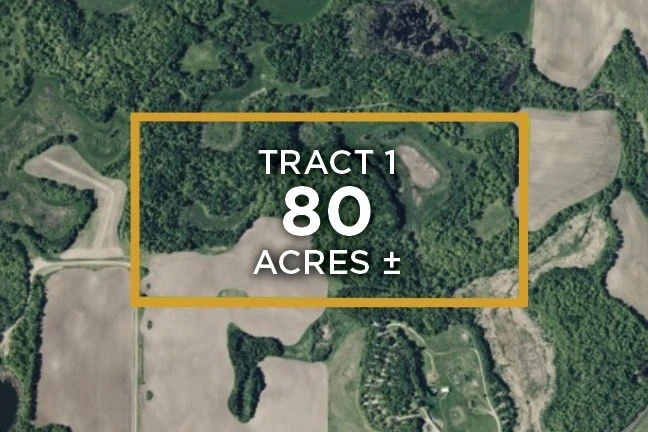
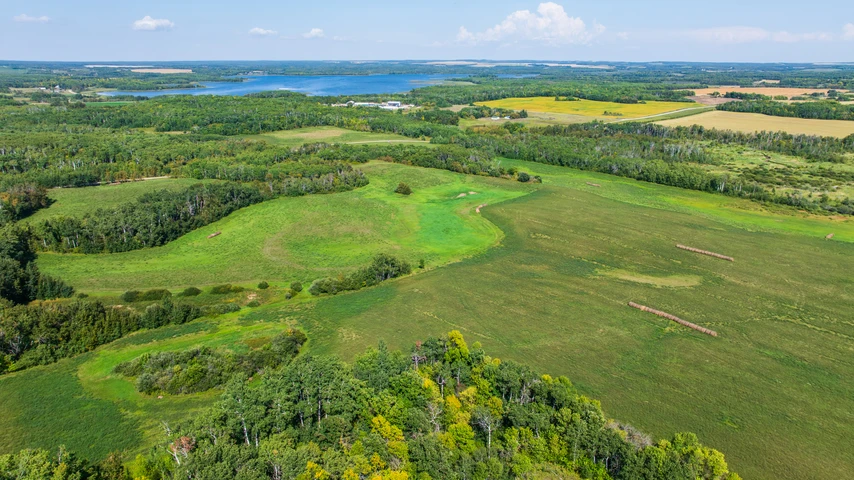
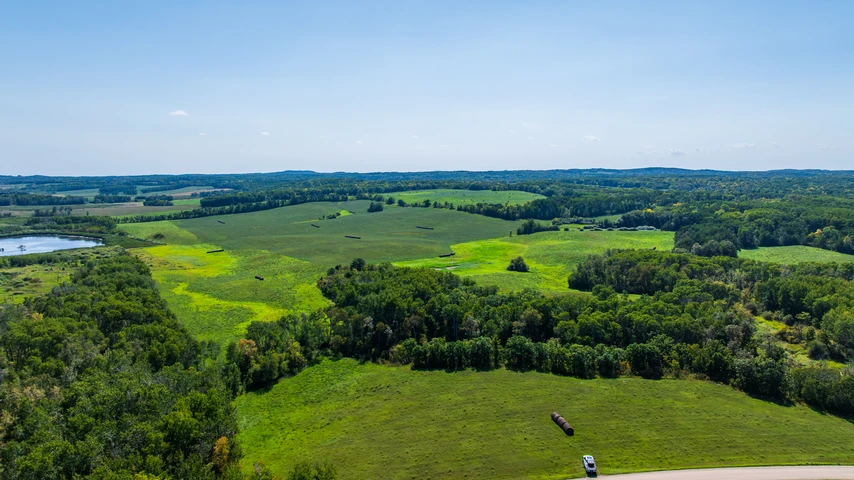
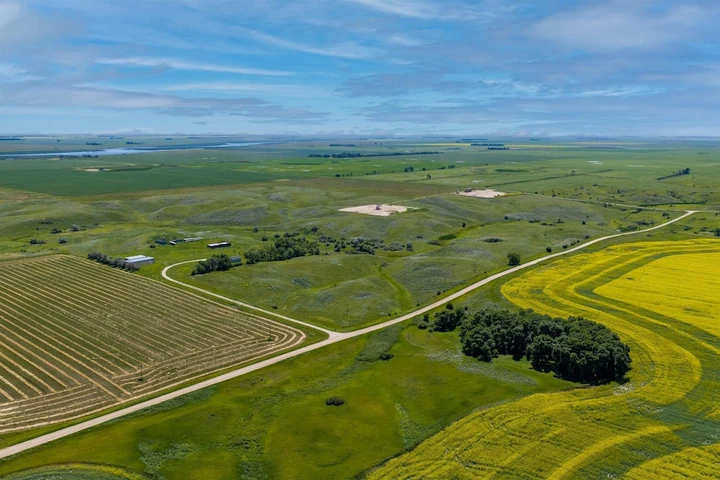
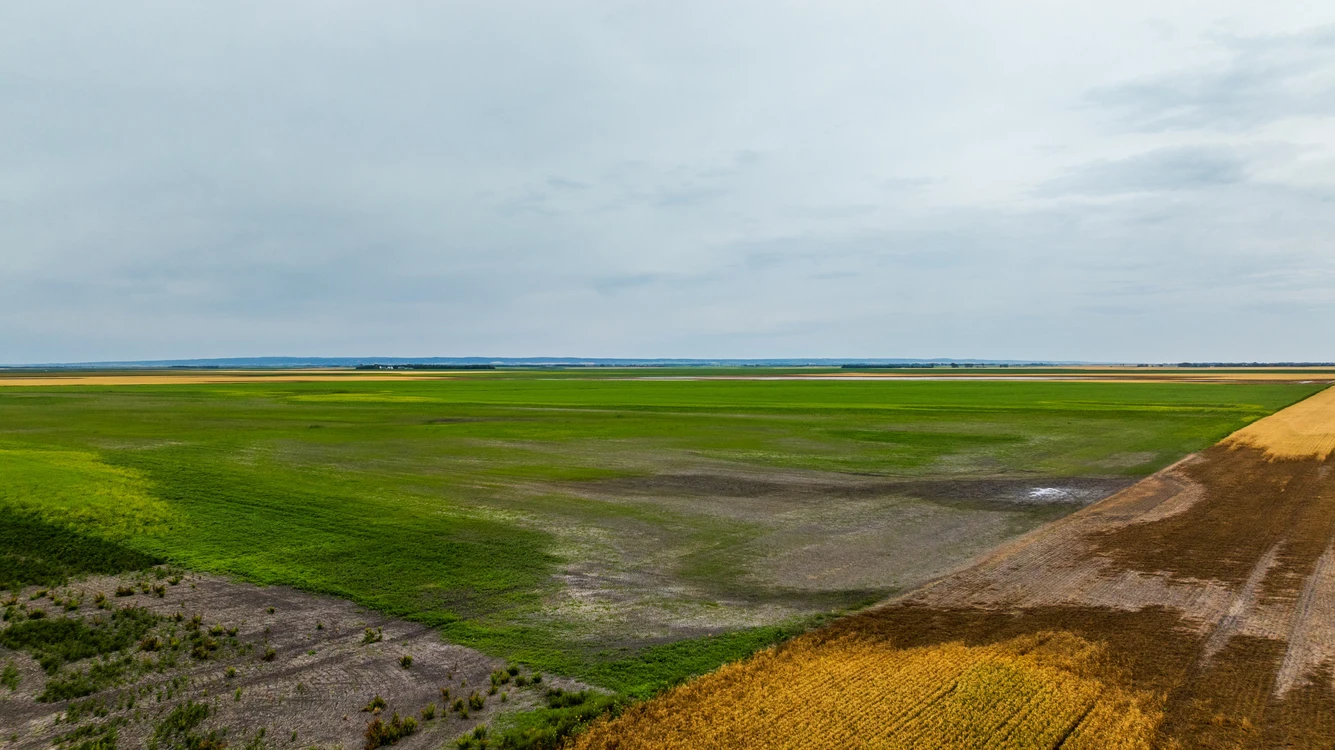
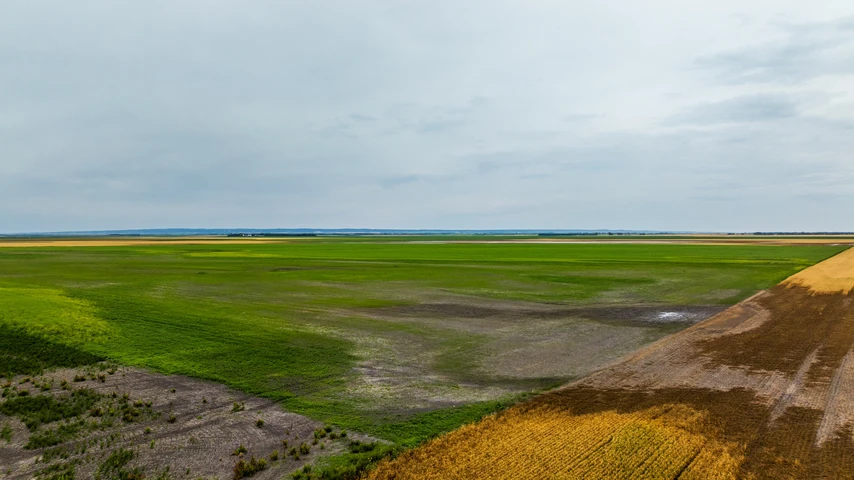
Here is your opportunity to add to your portfolio! These 160 acres of this Bottineau County farm presents an excellent opportunity to acquire productive North Dakota cropland in a well-established agricultural region. Located in Whitby Township, southwest of Bottineau, North Dakota, and northeast of Kramer, the property is situated in the SE 1/4 of Section 9, Township 161 North, Range 77 West. The farm combines a nearly full quarter-section configuration, substantial FSA cropland, established crop base acres, productive soil types, and recreational benefits that come with wetlands and surrounding agricultural habitat. Whether considered by a neighboring producer, an expanding farm operation, or a farmland investor seeking a tangible agricultural asset, this property offers many of the characteristic’s buyers look for in north-central North Dakota farmland.
LOT #1
Acres: 160+/-
Legal: Twp 161 R 77 Sec 09 SE1/4
SPI: 60.6
NCCPI: 44.3
Taxes: $898.31
FSA 156- Tract 11689
Farmland Cropland DCP Farmland
150.51 160.51 160.51
Crop Base acres PLC yield
wheat 81.40 45
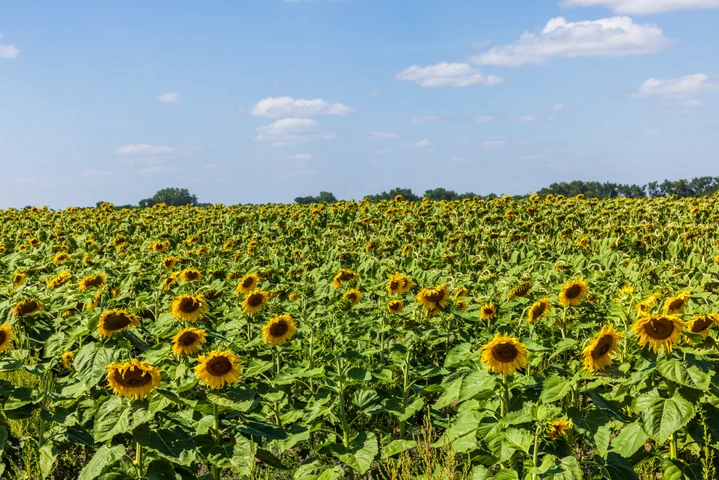
Sunflowers 30.70 1810
Barley 40.10 51
Canola 8.30 1017
Total 160.5.
One of the strongest features of this tract is its soil profile with a weighted Soil Productivity Index of 60.6 and a weighted Soybean NCCPI rating of 44.3, The soil survey identifies several highly productive soil types, led by Overly-Great Bend silty clay loams, 0 to 2 percent slopes, which account for approximately 42.32 acres, or 26.4 percent of the mapped acreage, and carry a strong Productivity Index of 89. Another 17.50 acres, or approximately 10.9 percent of the farm, consists of Overly silty clay loam, 0 to 2 percent slopes, which also carries a Productivity Index of 89. In addition, approximately 12.72 acres of Bearden silty clay loam, 0 to 2 percent slopes, have a Productivity Index of 84. Together, these higher-rated soils make up an important portion of the property and provide a strong foundation for crop production. The farm also contains approximately 73.22 acres of Fargo silty clay, 0 to 1 percent slopes, along with approximately 14.64 acres of Fargo-Hegne silty clays, 0 to 1 percent slopes, frequently ponded. Taken as a whole, the farm carries a weighted Soil Productivity Index of 60.6 and a weighted Soybean NCCPI of 44.3. This crop-base history reflects the small grains and oilseeds commonly grown throughout northern North Dakota.
The property's location in Bottineau County places it in one of northern North Dakota's established farming areas. Agriculture has shaped the economy, landscape, and communities of this part of the state for generations. Bottineau County was established during the Dakota Territory era, and settlement increased as transportation and railroad development opened the region to agricultural production. The City of Bottineau traces its early history to the late nineteenth century, with the community relocating to its present location along the Great Northern Railway in 1887. Rail transportation helped connect farmers with larger grain markets and played an important role in building the agricultural economy that continues to influence the region today. That farming tradition remains visible throughout Bottineau County. The countryside surrounding Bottineau and Kramer is made up of working farms, grain fields, oilseed production, farmsteads, equipment, and agricultural businesses serving area producers. Being positioned southwest of Bottineau gives this 160-acre farm convenient access to an agricultural community where producers can obtain many of the services needed for a modern farming operation. Grain marketing and handling opportunities, crop-input suppliers, fertilizer and chemical services, seed dealers, equipment support, trucking, and agronomy services are available throughout the broader Bottineau-area agricultural trade territory. For a producer considering adding this farm to an existing operation, having elevators, agronomy services, and other agricultural businesses in the surrounding area is an important advantage.
Weather is always an important part of farming in Bottineau County, where the seasons follow the familiar pattern of the northern Great Plains. Long-term climate averages for the Bottineau area show around 18 inches of annual precipitation, with much of that moisture arriving during the spring and summer growing season. May, June, July, and August are important months for rainfall, with June generally among the wetter months of the year. Summers are typically moderate, with normal July high temperatures around 80 degrees, while winters bring the cold temperatures and snow that are characteristic of northern North Dakota. Those growing conditions have helped make wheat, barley, canola, sunflowers, soybeans, and other northern crops an important part of agriculture throughout the region.
For a working farmer, the appeal of this 160-acre tract starts with the chance to add another quarter to an existing land base. Owning farmland gives an operator control over crop rotations, fertilizer programs, improvements, drainage decisions where allowed, and long-term management. It also provides a level of stability that rented acres cannot always offer from one year to the next. The property can also make sense for a farmland investor. North Dakota farmland has long appealed to buyers who value owning a real asset connected directly to agriculture. A 160-acre tract such as this may offer the opportunity to work with an area farmer through a cash-rent or other lease arrangement while maintaining long-term ownership of the land.
The recreational side of this 160-acre farm adds some additional North Dakota character. Approximately 18.25 acres are shown in freshwater emergent wetland and other areas. That includes approximately 11.61 acres of PEM1Ad freshwater emergent wetland, 5.00 acres of PEM1A freshwater emergent wetland, and approximately 1.64 acres shown as other. Buyers should make their own determination regarding wetlands, farming practices, and any restrictions that may apply, but these wetter areas can add diversity to the property and provide habitat in a landscape otherwise focused heavily on crop production. Northern North Dakota is an important region for migrating ducks and Canada geese, and crop fields paired with seasonal water can create an attractive setting for waterfowl. During migration, ducks and geese move throughout this part of the state as they travel between feeding and resting areas. Grain fields can provide food, while wetlands and seasonal water offer places for birds to rest. Depending on rainfall, water levels, crop rotations, and migration patterns, the farm may offer opportunities for someone who enjoys waterfowl hunting or simply likes seeing ducks and geese moving across the countryside. Sharp-tailed grouse are another part of the wildlife found across northern North Dakota's mix of agricultural land and grassland. Pheasants may also show up where there is enough winter cover, cattails, grass, and other suitable habitat. This 160-acre property should be viewed first as productive farmland, but the possibility of seeing grouse, geese, ducks, and perhaps a pheasant or two adds something extra for an owner who enjoys hunting and the outdoors. Wildlife numbers vary greatly from year to year, but the combination of cropland and wet areas can make the property more interesting than a quarter consisting solely of open crop ground. The small patch of water and foliage it makes a great spot for a white tail to bed down and hide for the afternoon.
Overall, this 160-acre Bottineau County farm offers a strong combination of productive farmland, quality soils, crop base acres, agricultural location, and recreational appeal since it is located southwest of Bottineau and northeast of Kramer, this tract sits in the heart of an active northern North Dakota farming community with access to elevators, agronomy services, crop inputs, equipment support, and other businesses that serve area producers. It offers an opportunity for a neighboring farmer wanting to expand, an established producer planning for the next generation, or an investor looking to own North Dakota agricultural land. Add in the wetland areas and the possibility of ducks, geese, grouse, and an occasional pheasant, and this farm brings together agriculture, investment potential, and the outdoor character that makes Bottineau County farmland appealing.
Details
County: Bottineau
Zipcode: 58318
Property Type One: Farms
Property Type Two: Ranches
Property Type Three: Hunting Land
Brokerage: Dakota Plains Realty
Brokerage Link: www.dakotaplainsrealty.com
Apn: 24000009569000

Darin Milbrath
Dakota Plains Realty
(701) 306-0461
By clicking the button, you agree to our Terms of Use and Privacy Policy.