McHenry County 465.06 Acres
tbd 15th ave, Berwick, ND | Lat/Lng: 48.3426, -100.2552
Auction
465.06 ac.
09/03/2026
ACTIVE


Description
LAND AUCTION 465.06 Acres+/-
McHenry County, North Dakota – Sold in 5 Lots
ONLINE AUCTION ONLY - Reserve Auction!!
Begins: November 9th, 2026 at 9 am CST
Ends: November 11th, 2026 at 2 pm CST
This offering in McHenry County brings together five separate tracts ranging from approximately 38.86± acres to 160± acres, giving buyers the opportunity to consider everything from larger farm-sized parcels to smaller, more manageable pieces of land in the Berwick and East McHenry Township areas. Lot 1 contains approximately 159.62± acres and offers the size and layout that can fit well into a traditional north-central North Dakota farming operation, where crop rotations may include spring wheat, canola, soybeans, corn and sunflowers depending on the year, moisture conditions, and the operator’s overall farm plan. The mixture of productive cropland, grass, lower ground, and natural drainage gives the tract flexibility and allows a producer to manage different portions of the land according to soil conditions and seasonal moisture. Lot 2 contains approximately 160± acres and provides another substantial tract that can work well for a farmer looking to expand an existing operation. This type of acreage can be incorporated into rotations of wheat, canola, soybeans, corn, sunflowers, and other small grains, allowing producers to spread risk and adjust planting decisions based on commodity prices, rainfall and field conditions. Its mix of cropland, lower areas and wetland features also gives the land some natural diversity, which is common throughout the Berwick and Rugby farming region. Lot 3 contains 64.82± acres and offers a more manageable-sized tract that may be especially attractive to a neighboring farmer, beginning landowner or investor. Its size makes it practical for adding into an existing farm rotation, whether planted to wheat, soybeans, canola, corn or sunflowers, and it can serve as a useful piece of additional acreage without requiring the purchase of an entire quarter. The smaller wetland footprint also leaves much of the tract oriented toward agricultural use while still maintaining some natural drainage and wildlife habitat. Lot 4 consists of 40.24± acres in East McHenry Township and is another tract that can work well as an add-on farm parcel. A local operator may incorporate these acres into a rotation of wheat, canola, soybeans, corn or sunflowers depending on field conditions, access and the crops already being raised on nearby land. Smaller tracts like this can be particularly useful for neighboring producers because they can be worked alongside nearby acreage, often making them easier to manage from an operational standpoint. Lot 5 contains approximately 40± acres and has more of a mixed agricultural and recreational character because of its larger wetland and water component. Rather than viewing this tract strictly as conventional cropland, portions may lend themselves to hay, grass, forage production or other agricultural uses while the more workable ground could still be used for crops such as wheat, canola, soybeans, or sunflowers where conditions allow. The wetland and water areas also create a different type of opportunity by adding wildlife habitat and natural cover. Across the entire Brossart offering, the land fits well within the broader farming practices found throughout McHenry County and the greater Rugby area, where producers regularly raise spring wheat, canola, soybeans, corn, sunflowers, barley, and other small grains. Crop rotations in this region are often adjusted from year to year based on moisture, markets, soil conditions, and disease management, and having a mix of tracts can give a producer additional flexibility when planning those rotations. Canola and wheat have long been important crops across north-central North Dakota, while soybeans and corn have become increasingly common parts of many operations, and sunflowers remain another crop that fits well into diversified rotations throughout the region. The larger parcels may be especially appealing to established operators wanting enough acreage to make a meaningful addition to their land base, while the smaller parcels offer opportunities for neighboring farmers, investors and buyers who want a more manageable entry into farmland ownership. The surrounding Berwick and Rugby area is strongly supported by agriculture, with grain elevators, agronomy services, farm supply businesses, fuel, equipment dealers, and other agricultural services located within a practical operating distance. That infrastructure gives producers access to the seed, fertilizer, crop protection products, grain handling, and marketing support needed to operate efficiently. The land also carries a natural recreational component, with grass, cattails, wetlands and water providing habitat for ducks, geese, pheasants, whitetail deer, and other wildlife common to north-central North Dakota. Lot 5 offers a stronger wildlife component because of its larger wetland footprint, while Lots 1 through 4 remain more heavily centered around agricultural use with varying amounts of natural habitat mixed throughout. Taken together, the Brossart offering provides a well-rounded selection of McHenry County land for farmers looking to expand, investors seeking long-term agricultural ownership, recreational buyers wanting a mix of land and wildlife habitat, or neighboring landowners looking for acreage that can be worked naturally into an existing farming operation.
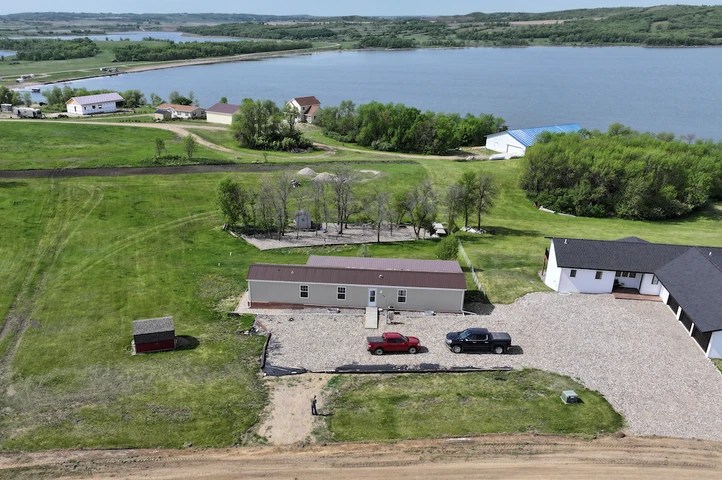
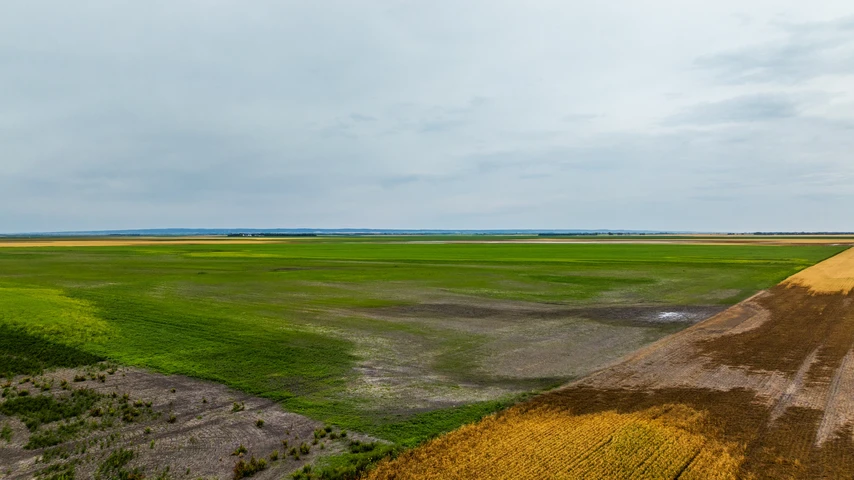
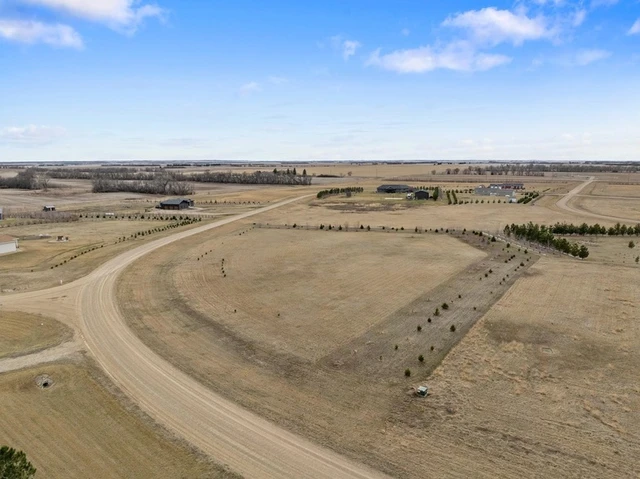
Agriculture remains the backbone of this part of north-central North Dakota. The countryside surrounding Berwick and Rugby is made up of working farms, ranches, grain fields, hay ground, pasture, farmsteads, and livestock operations. Producers in this region have adapted over generations to changing crop markets, weather patterns, and technology, while continuing to rely on the productive land base. The land has a diversified crop history, with base acres associated with wheat, corn, soybeans, sunflowers, barley, and canola. This diversity can be important because it gives producers flexibility in how they manage crop rotations from year to year. Check out the aerial photographs also, as they show the varied character of the land: broad open fields, harvested cropland, hay ground, wetlands, cattail areas, and tree cover. That mix can be an advantage for operators who combine grain production with livestock, hay production, or recreational use.
Rugby serves as an important agricultural service center for the surrounding region. Farmers in the area benefit from access to grain elevators, agronomy providers, fertilizer and crop input services, farm supply stores, equipment dealers, fuel, and repair services. This infrastructure matters when evaluating farmland. Productive acres are more valuable to an operator when grain can be marketed efficiently, inputs are readily available, and machinery support is nearby. The Rugby area gives producers access to those services without requiring extremely long transportation distances. North-central North Dakota has a true four-season climate. Winters can be cold and long, while summers bring warmer temperatures and long daylight hours that help crops develop quickly during the growing season. Moisture conditions can vary considerably from one year to another. Some years bring significant spring moisture and standing water in lower areas, while other years can become dry and place greater value on moisture-retaining soils and forage production. That variability is one reason diversified crop rotations and mixed farming operations have remained important throughout the region. The wetlands and natural drainage areas found on portions of the Brossart land are part of that landscape. During wetter years, these areas can hold water and provide wildlife habitat. During drier periods, surrounding grass and hay ground may provide additional agricultural usefulness. Rugby provides many of the services that rural landowners and farm families rely on, including shopping, schools, health care, fuel, restaurants, agricultural businesses, and everyday community services. The broader area has a strong agricultural identity, with generations of families involved in farming, ranching, and land ownership .Berwick township and the surrounding countryside reflect the rural side of that community, where farmsteads, crop fields, hay land, and livestock remain a visible part of everyday life. Buyers looking for agricultural land are not simply purchasing acres; they are becoming part of a region where agriculture continues to play a central economic and cultural role.
One of the additional benefits of the property are the variety of habitat found across the different tracts. Wetlands, ponds, cattails, grass, crop residue, and nearby tree cover can create feeding, resting and security habitat for multiple wildlife species. The wetland areas can be especially attractive during waterfowl migration, when ducks and geese move through north-central North Dakota. Agricultural fields can provide important food sources, while ponds and emergent wetlands offer resting areas. Grass and cattail cover can also support pheasants and other upland birds. Whitetail deer commonly use the edges between cropland, grass, wetlands, and tree cover for feeding and travel. Not every parcel should be considered primarily recreational ground, but the ability to combine agricultural ownership with hunting and wildlife enjoyment can make these tracts more attractive to a broader range of buyers.
Farmland continues to attract buyers for several reasons. Farmers may purchase adjoining acres to improve operational efficiency and increase their land base. Ranchers may seek additional hay or forage ground. Investors may look for rental income, long-term appreciation and a tangible asset tied to agricultural production. It also creates additional flexibility because the property is divided into several tract sizes. Buy
Details
County: McHenry
Zipcode: 58788
Property Type One: Farms
Property Type Two: Ranches
Property Type Three: Hunting Land
Brokerage: Dakota Plains Realty
Brokerage Link: www.dakotaplainsrealty.com

Darin Milbrath
Dakota Plains Realty
(701) 306-0461
By clicking the button, you agree to our Terms of Use and Privacy Policy.