

Bottomland Hardwood Timber Tract
Old Hwy 190 Rd, Lot#WP002, Port Barre, LA | Lat/Lng: 30.5428, -91.8115
$182,695
61 ac.
08/06/2025
ACTIVE
Description
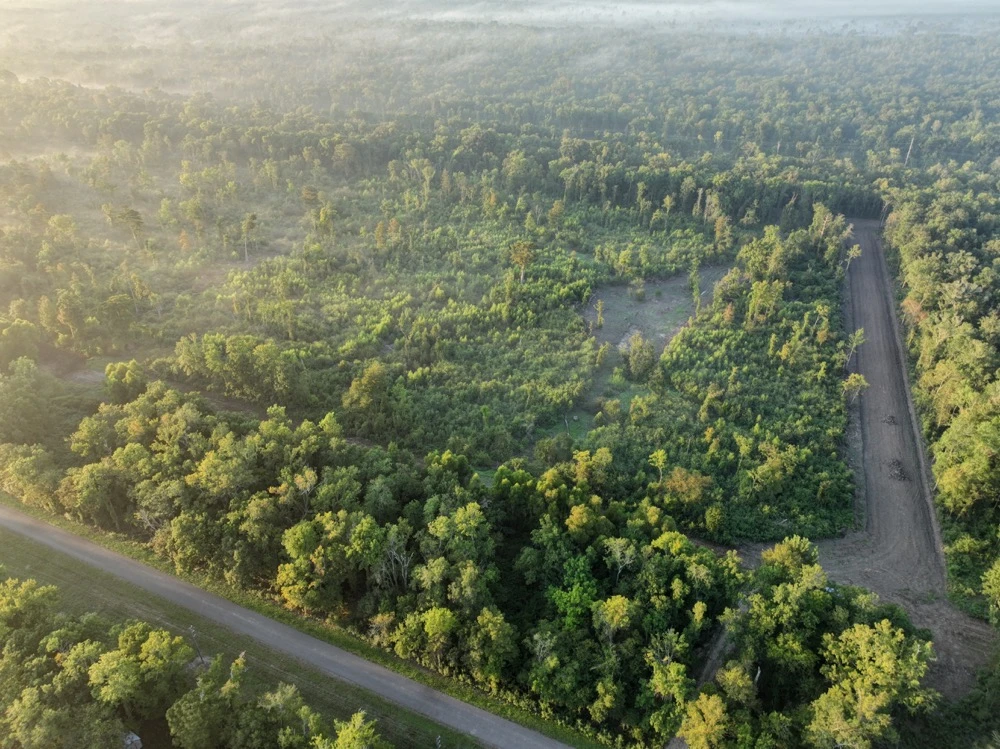
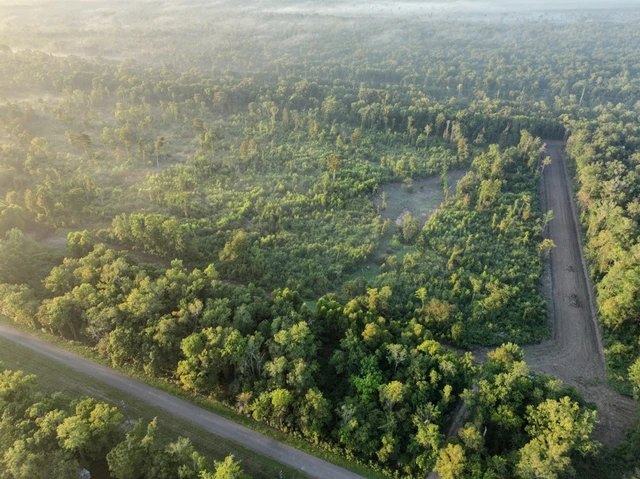
This recreational tract offers a diverse combination of wildlife habitat, hunting opportunities, access, and potential improvements, all in a location close to town. The property has been actively managed by the current owner, including timber harvesting, which has altered the property's structure and created additional opportunities for deer and waterfowl habitat. For a buyer looking for a manageable recreational tract with both deer and duck potential, this property provides several different habitat components and areas that can be further developed over time. The timber harvest has opened portions of the canopy, allowing additional sunlight to reach the forest floor. This has resulted in increased bedding cover and browse throughout the property, providing deer with additional food and cover. The combination of thicker regrowth, available browse, and remaining timber creates a variety of habitat conditions across the tract. These changes also provide opportunities for a new owner to continue managing the property for deer by maintaining strategic openings, improving travel corridors, and establishing additional food sources where appropriate. Another benefit of the timber work is the increased exposure along several sloughs that hold water during the hunting season. By opening portions of the canopy around these wet areas, the property now has additional opportunities for waterfowl habitat. Seasonal water, combined with surrounding cover, can provide locations for ducks to use the property, while the remaining timber and vegetation provide habitat around the water. A buyer interested in improving the property's duck-hunting potential can evaluate these sloughs and determine whether additional clearing, water management, or habitat improvements would be beneficial. Not all of the timber has been removed. The current owner has intentionally left timber standing along the public road and railroad track on the southern boundary. These remaining wooded areas provide additional wildlife cover and offer opportunities for squirrel hunting. Maintaining timber along these boundaries also adds habitat diversity to a property that includes harvested areas, sloughs, pipeline openings, and access corridors. A pipeline traverses the property, creating additional open ground within the timber. These openings can serve as practical sites for box blinds and food plots, giving a new owner several options for establishing hunting locations without having to create every opening from scratch. The pipeline can also serve as an access and travel corridor, depending on existing conditions and property management. Strategic food plots could further complement the browse and cover already established by the timber harvest. Along the southern boundary, a wide road follows the railroad track and provides another useful feature for property access and hunting management. The road provides space for equipment movement and creates additional areas that could be evaluated for box-blind locations. Its position along the railroad also gives the property an established access corridor that can be incorporated into a future hunting and habitat-management plan. The property also has infrastructure that adds versatility beyond hunting. Electricity and community water are available at the road, and several locations on the property could accommodate a campsite. These utilities can provide a starting point for a buyer interested in establishing a simple camp or base of operations for hunting and property management, subject to local requirements and utility availability at the desired location. Having utilities nearby can also reduce some of the infrastructure considerations associated with developing a recreational property. Access is another strong feature. The property is close to town and offers convenient access from the public road, while the existing road along the railroad provides additional interior access. The combination of road frontage, interior access, pipeline openings, and existing clearings gives a new owner multiple options for moving equipment, accessing hunting areas, and maintaining food plots or habitat improvements. From a hunting perspective, the property has several components that can be managed for multiple species. Deer can utilize the thick regrowth and browse created by the timber harvest, while the remaining timber and sloughs add additional cover and travel habitat. Seasonal water provides opportunities for duck hunting, particularly around the sloughs and other low areas that hold water. The remaining timber along the southern boundary also provides squirrel-hunting opportunities. The property also offers room for a new owner to implement their own management strategy. Potential improvements could include establishing food plots along the pipeline, maintaining strategic openings, placing box blinds based on prevailing winds and wildlife movement, improving slough habitat, and continuing selective timber or brush management where appropriate. These improvements can be phased over time rather than requiring all work to be completed immediately. With wildlife habitat already established, existing access, nearby utilities, potential campsite locations, and proximity to town, this tract offers a practical opportunity for someone seeking recreational land that can be used and improved over time. The combination of deer habitat, seasonal water, duck-hunting potential, squirrel hunting, and multiple existing open areas gives the property a range of uses while leaving room for a new owner to shape the land around their hunting and recreational goals. Call for your showing today!
Details
County: St. Landry
Zipcode: 70577
Property Type One: Recreational Property
Property Type Two: Timberland
Property Type Three: Hunting Land
Brokerage: Whitetail Properties Real Estate
Brokerage Link: www.whitetailproperties.com/agents/blake-charles

Blake Charles
Whitetail Properties Real Estate
(337) 945-4061
By clicking the button, you agree to our Terms of Use and Privacy Policy.


Nearby Listings
West Feliciana Parish, LA
$1,134,945 - 180 ac.
West Feliciana Parish, LA
$692,250 - 28 ac.
St. Landry Parish, LA
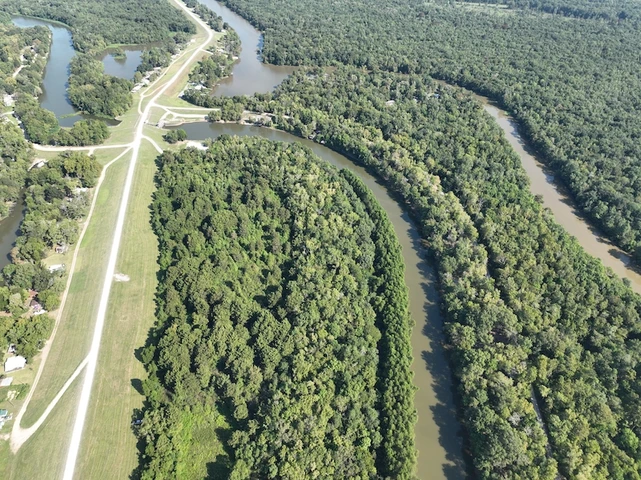
$74,250 - 28 ac.
St. Landry Parish, LA
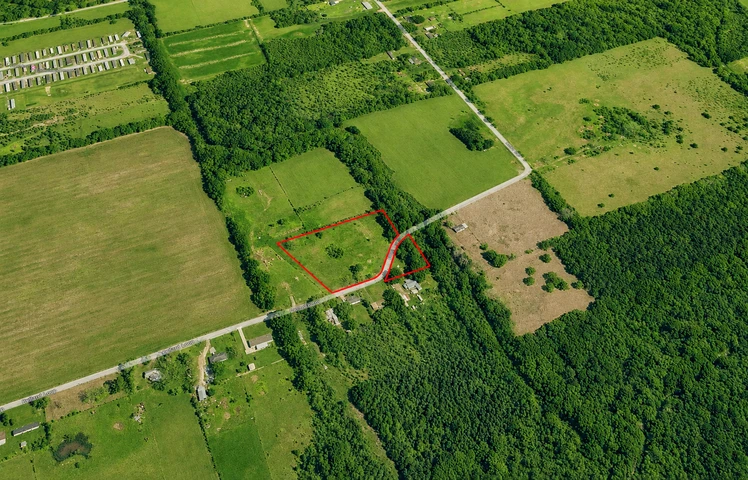
$58,950 - 4 ac.
St. Landry Parish, LA
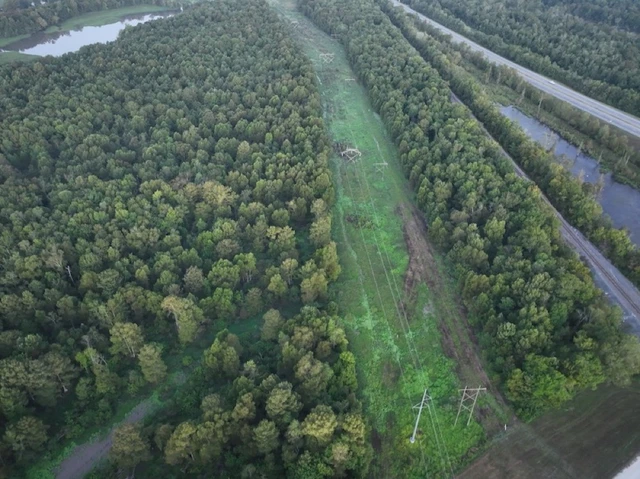
$106,000 - 40 ac.
St. Landry Parish, LA
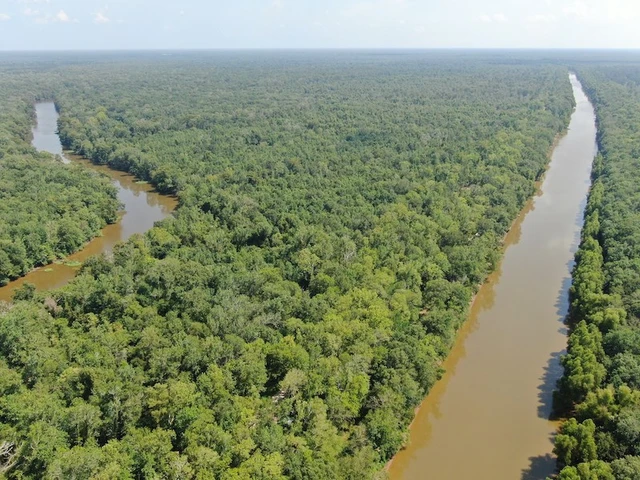
$1,566,450 - 531 ac.
St. Martin Parish, LA
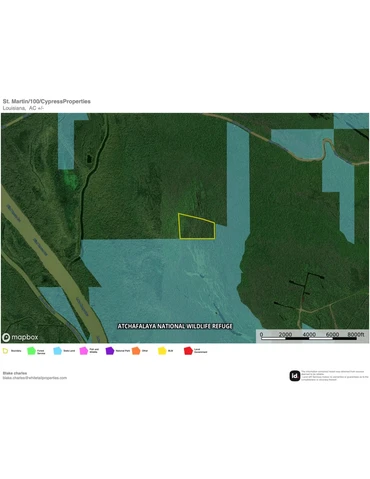
$60,000 - 100 ac.
Evangeline Parish, LA
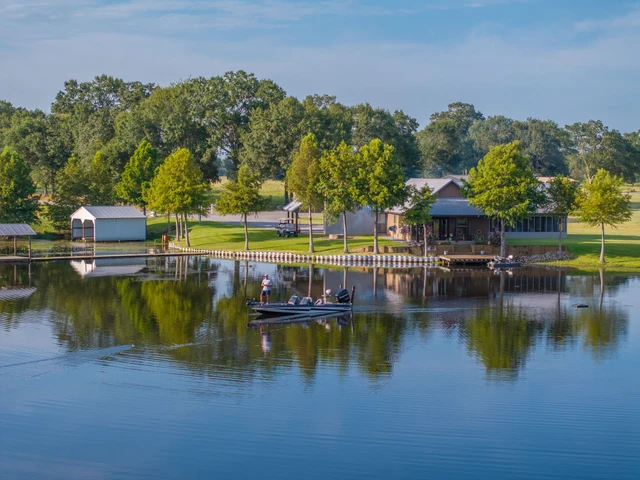
$1,150,000 - 28 ac.
St. Landry Parish, LA
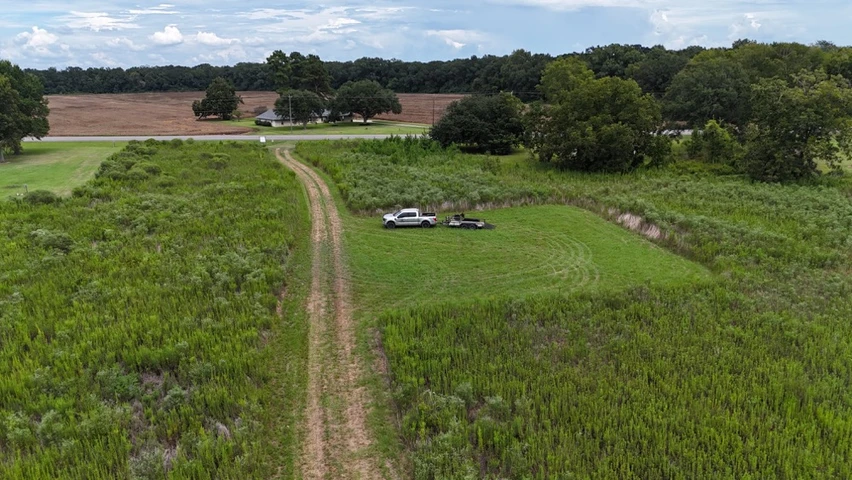
$240,000 - 64 ac.
Lafayette Parish, LA
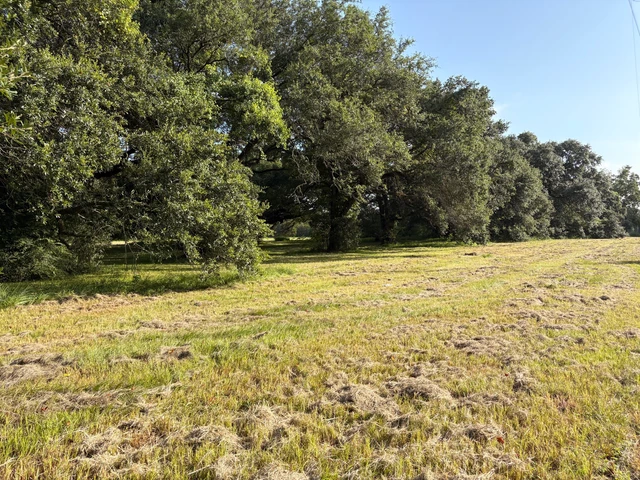
$374,680 - 6 ac.