
Barnes County 596 Acres
multiple parcels, Wimbledon, ND | Lat/Lng: 47.1697, -98.4598
Auction
596.93 ac.
08/18/2026
ACTIVE
Description
Land Auction - 596.93± Acres
Barnes County, North Dakota - Sold in 4 Lots
ONLINE AUCTION ONLY - Reserve Auction!!
Begins: October 12, 2026 at 9 am CST
Ends: October 14, 2026 at 2 pm CST
Location: Approximately 1.5 miles northeast of Wimbledon, North Dakota
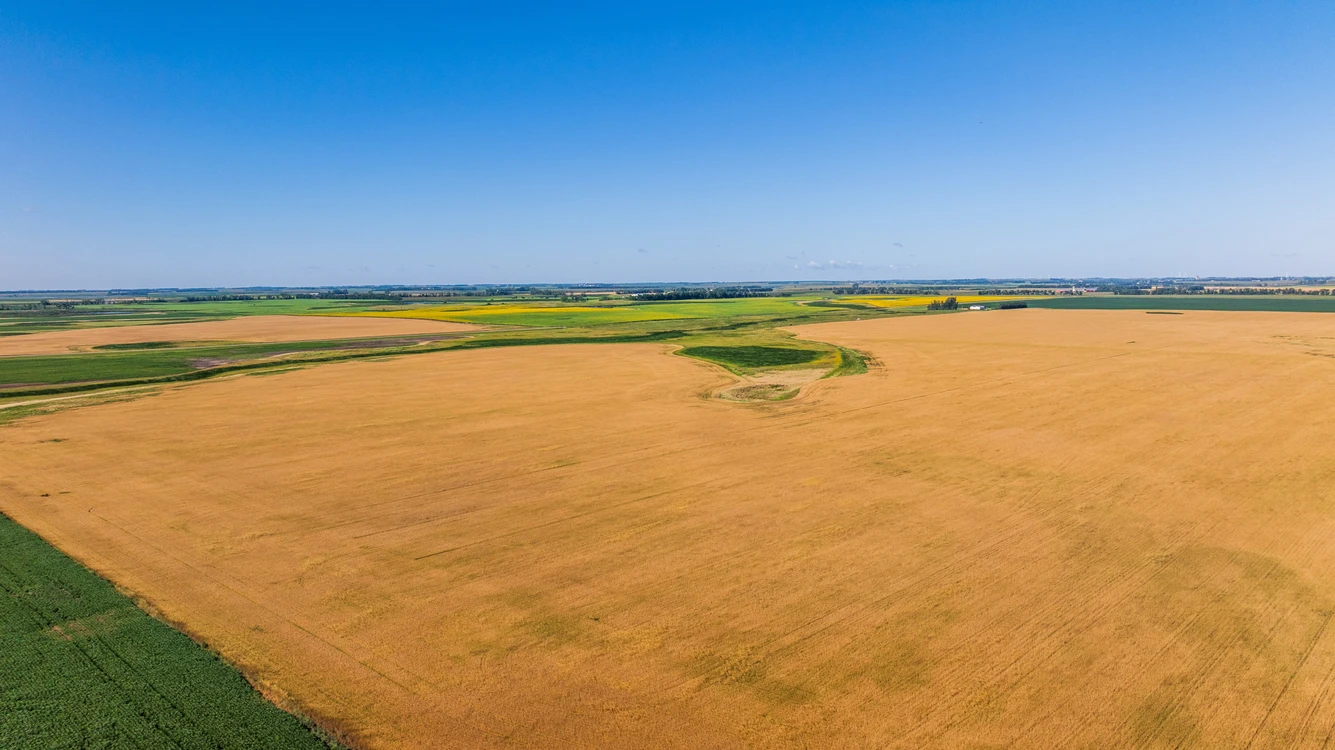
Located approximately 1.5 miles northeast of Wimbledon, this Barnes County farmland is situated in a strong agricultural area with a long history of crop production. The property combines productive cropland with wetlands, cattail sloughs, grasses and scattered tree cover, giving it both agricultural and recreational appeal. It may be a good fit for a neighboring farmer looking to expand, an agricultural investor, a diversified crop-and-livestock producer, or a buyer interested in hunting and wildlife habitat. Agriculture has been an important part of the Wimbledon area for generations. The surrounding countryside is made up of large farm fields, grain storage, farmsteads and agricultural businesses that support the local farming community. Wheat has long been one of the traditional crops in this part of North Dakota, while corn and soybeans have become a major part of modern crop rotations. Barley, sunflowers and other crops are also raised throughout the region depending on weather, soil conditions and market opportunities. The Wimbledon area also offers good access to the services needed for a modern farming operation. Farmers in this area have access to grain handling, seed, fertilizer, crop-protection products, fuel, trucking and other agricultural services. Nearby grain elevators and handling facilities provide options for storing and marketing wheat, corn, soybeans and other crops. Jamestown and Valley City offer additional equipment dealers, repair services, banking, health care, retail businesses and transportation connections. Fargo and Bismarck serve as larger regional centers for additional services and markets. The soil and crop history also add to the agricultural value of the property. The farm records also show a history of wheat, corn and soybean production, with other supplied information identifying crops such as sunflowers and barley. That variety gives producers flexibility when planning rotations and responding to changing market conditions. For a farmer looking to expand, this can be especially valuable because the acres can fit into the same kinds of crop programs already common in the surrounding area.
LOT #1
Acres: 160+/-
Legal: Twp 143 R 61 Sec 19 NE1/4
SPI: 54.1
NCCPI: 39.4
Taxes: $1,705.43
LOT 2
Acres: 150+/-
Legal: Twp 143 R 61 Sec 20 NW1/4 less 10 acres
SPI: 73.1
NCCPI: 52
Taxes: $1,970.93
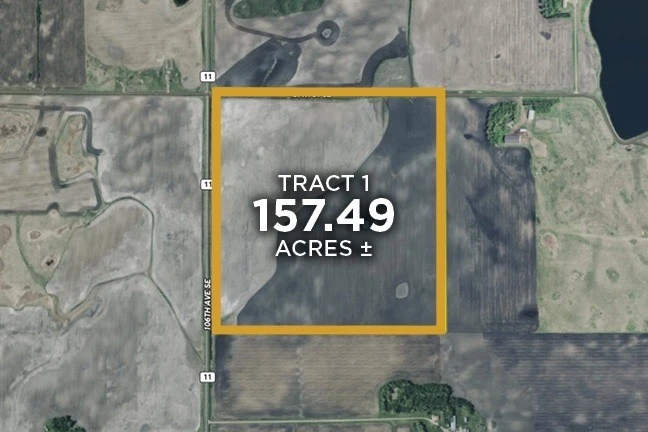
LOT 3
Acres: 157.46+/-
Legal: Twp 143 R 61 Sec 20 SW1/4
SPI: 53.3
NCCPI: 40.5
Taxes: $1,555.92
FSA 156- Tract 12 **1 thru 3 are farmed together**
Farmland Cropland DCP Farmland
464.82 417.54 417.54
Crop Base acres PLC yield
wheat 65.42 50
Corn 95.10 111
Soybeans 227.48 23
Total 388.00
LOT 4
Acres: 129.47+/-
Legal: Twp 143 R 60 Sec 19 SW1/4
SPI: 65.2
NCCPI: 48.7
Taxes: $1,698.02
FSA 156- Tract 11985
Farmland Cropland DCP Farmland
117.90 103.57 103.57
Crop Base acres PLC yield
wheat 50.12 56
Corn
Soybeans 46.27 32
Total 96.39
Beyond its farming value, the property offers a strong recreational side. Heavy cattail sloughs, wetlands, open water, tall grasses, brush and scattered tree cover are mixed throughout and along the cropland. These areas provide food, water and protection for wildlife and give the property more character than completely open farm ground. The wetlands and open-water areas may attract ducks and geese during the fall migration. Cattails and aquatic vegetation can provide resting and protective cover, while nearby grain fields may offer feeding opportunities. This mix of water, cover and cropland creates the kind of setting waterfowl hunters often look for in North Dakota. The same wetlands and cattail sloughs may also provide good upland game habitat. Pheasants can use dense cattail cover, grassy edges and nearby fields for protection and feeding. After harvest, waste grain in surrounding crop ground can provide another food source, while heavier cover may help birds through colder weather. Mourning doves can also be part of the hunting opportunities on and around this type of land. Late summer and early fall often find doves using harvested fields, field edges, grasses and areas near water. Their seasonal movement adds another layer of recreation to the property before the later fall hunting seasons begin. Whitetail deer add another important part of the wildlife appeal. Agricultural fields can provide excellent seasonal food sources, while cattail sloughs, grass, brush, drainage areas and scattered trees can offer bedding and security cover. The combination of food, water and heavier habitat gives deer places to feed, travel and rest without having to leave the general area. For a deer hunter, that type of mixed landscape can be especially attractive. The fields provide visibility and feeding areas, while the cattails and other heavier cover give whitetails places to disappear during daylight hours. The property has the kind of habitat that may hold nice North Dakota whitetails and provide good hunting opportunities during the fall season. Coyotes and other predators may also use the property throughout the year. Coyotes commonly travel field edges, wetlands, grasslands and drainage areas while searching for prey. The combination of large open areas and thick cattail cover creates a natural setting for predator movement and can provide additional hunting opportunities during the colder months. Ducks and geese may use the wetland areas during migration. Pheasants can use the cattails and grasses for cover. Mourning doves may move through the fields in late summer and early fall. Whitetails can travel between crop ground and heavier cover, while coyotes and other predators may use the same field edges, sloughs and drainage areas. That combination of agriculture and wildlife habitat is difficult to overlook. The farm can continue to serve as productive cropland while also offering hunting, wildlife viewing and other outdoor enjoyment. For buyers who value both agricultural use and recreation, this mix can make the property especially appealing.
The property may also be of interest to a producer looking to combine farming with livestock. North Dakota has a long tradition of grain and cattle operations working together, and crop ground can sometimes provide added value after harvest. Corn stalks, small-grain residue and properly managed cover crops may offer seasonal grazing opportunities when conditions are right.A producer could also look at selected acres for hay, forage or other feed production depending on future management goals. The grassier portions and non-cropped areas may add additional value for livestock use, though a buyer would need to evaluate fencing, water access, carrying capacity and management needs before developing a grazing program.
Overall, this offering represents a strong opportunity to acquire 596.93± acres of Barnes County farmland sold in four lots. The property is located approximately 1.5 miles northeast of Wimbledon and combines productive crop ground, a long agricultural history, access to nearby farm services and grain markets, and natural habitat that adds hunting and recreational value.
Whether the goal is farm expansion, agricultural investment, livestock use, waterfowl hunting, pheasant hunting, whitetail deer hunting, predator hunting, or a combination of these interests, this property offers a practical and diverse piece of North Dakota farm country.
Details
County: Barnes
Zipcode: 58492
Property Type One: Farms
Property Type Two: Ranches
Property Type Three: Hunting Land
Brokerage: Dakota Plains Realty
Brokerage Link: www.dakotaplainsrealty.com

Darin Milbrath
Dakota Plains Realty
(701) 306-0461
By clicking the button, you agree to our Terms of Use and Privacy Policy.


Nearby Listings
Barnes County, ND
$998,000 - 832 ac.
Barnes County, ND
$209,000 - 90 ac.
Stutsman County, ND

$1,096,000 - 320 ac.
Barnes County, ND
No Price - 126 ac.
Barnes County, ND

Auction - 157 ac.
Barnes County, ND

No Price - 157 ac.
Barnes County, ND
Auction - 160 ac.
Griggs County, ND
$640,000 - 160 ac.
Barnes County, ND
No Price - 157 ac.
Stutsman County, ND

$275,000 - 0 ac.